
Empowering Rural Communities Through Sustainable Livelihoods
Rural communities thrive not through industrial efficiency alone, but through the quiet, enduring power of knowing your land, caring for your neighbours, and farming with the wisdom of those who came before you.
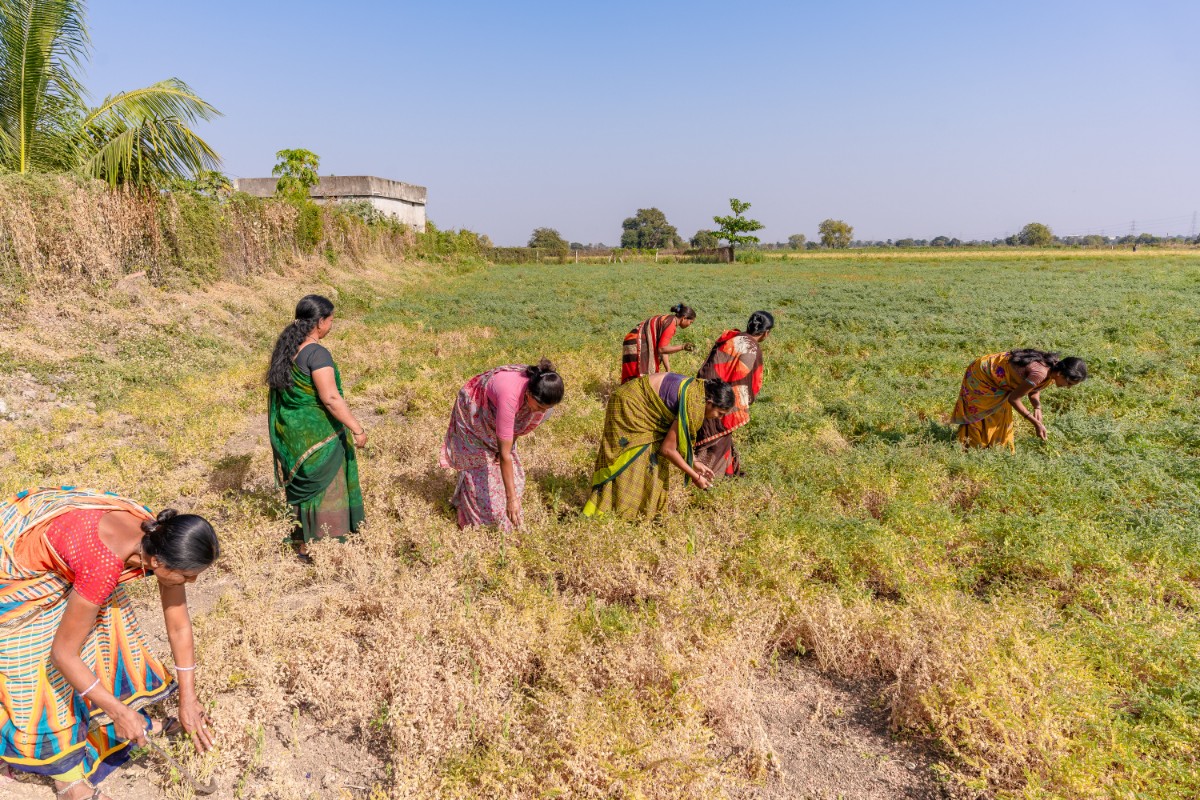
Rural communities sit at the heart of our relationship with the land, yet they are increasingly squeezed between the demands of industrial agriculture and the realities of a changing climate. Sustainable livelihoods are not built through policy papers alone — they grow through knowledge passed between generations, respect for the soil, and a deep sense of belonging to a place. Here are five key ways rural communities can be empowered to thrive sustainably, drawing from the lived experience of family farming in southern Wisconsin.
Reviving intergenerational knowledge and mentorship
Some of the most valuable farming wisdom never makes it into textbooks. It lives in the hands of experienced farmers who can read a field the way others read a map — spotting subtle changes in how grass grows over sandy soil, or knowing which slopes will erode long before any instrument confirms it. When elders share this knowledge directly with younger farmers, out in the field and in plain conversation, something precious is preserved. Communities that nurture these relationships are investing in a form of intelligence no technology can replicate.
Practicing Ecologically Informed Land Stewardship
Good farming is really good listening — to the land, the seasons, and the long memory of the soil. Leaving erosion-prone slopes in grass rather than forcing them into corn, protecting creek banks from runoff, and returning organic matter back to the earth are choices that may seem modest but carry enormous long-term value. Healthy soil holds water, resists flooding, and grows more food with fewer chemical inputs over time. Caring for the land is not a luxury — it is the most practical investment a farming community can make.
Breaking Free from the Industrial “Lock-In Trap”
Many farming families find themselves caught in a cycle that is hard to escape — borrowing money to buy seeds, fertilisers and equipment, only to sell their harvest at prices set by systems far beyond their control. Research has shown that once agriculture gets deeply tied to industrial methods, it can keep degrading the very land it depends on rather than change course. Breaking out of this pattern requires communities to band together, demand fairer support from governments and financial institutions, and explore farming methods that work with nature rather than constantly fighting it.
Investing in Local and Diversified Food Systems
Imagine a landscape with small vegetable gardens supplying nearby towns, mixed livestock grazing restored grasslands, grain going to locally owned mills, and wetlands alive again with wildlife. This is not a romantic fantasy — it is a practical blueprint for rural resilience. When communities redirect even a portion of their spending away from large food corporations and toward locally grown and produced food, the benefits multiply quickly: cleaner water, richer soil, fewer severe floods, and tighter community bonds. Diversity, both on the farm and in the local economy, is a form of security.
Cultivating a Land Ethic Rooted in Love and Community
At the heart of every thriving rural community is something that rarely appears in development plans — a genuine love for the land and the people who share it. When farmers, neighbours, and local leaders talk honestly with one another, make decisions together, and feel a shared responsibility for the health of their landscape, something powerful happens. The land responds. Communities grow stronger. As conservationist Aldo Leopold put it, we love and make intelligent use of what we have learned to understand. Sustainable livelihoods begin not with a new policy but with a deeper sense of belonging.
Empowering rural communities is not simply a matter of better technology or smarter subsidies. It requires a fundamental shift in how we value land, labour, and relationship. The soil beneath our feet is not merely a resource to be extracted — it is a living system that rewards care, attention, and humility. When rural communities are supported in farming with ecological conscience and intergenerational wisdom, the harvest extends far beyond grain or livestock. It yields stronger communities, healthier landscapes, and a more hopeful future for everyone — whether they live in the countryside or the city. Because in the end, the way we treat our land reflects the kind of people — and communities — we choose to be.
Reference article: https://aeon.co/essays/a-prairie-enthusiast-in-search-of-a-farming-land-ethic