What a medical camp is about
A medical camp is a simple promise that no one should go unseen — reaching people the system has missed, and catching what might otherwise go unnoticed for years.
A medical camp looks simple from the outside — a tent, a few tables, a queue of people waiting their turn. But what happens there answers some of the most urgent questions in healthcare today. Around the world, millions of people live without reliable access to a doctor, and by 2030 the world is expected to face a shortage of roughly 10 million health workers. Meanwhile, diagnostic errors alone are estimated to kill or permanently disable around 800,000 people a year in the United States. Medical camps exist in the gap between these two realities — reaching people the system has missed, and catching what might otherwise go unnoticed for years.
1. Reaching People the System Has Left Behind
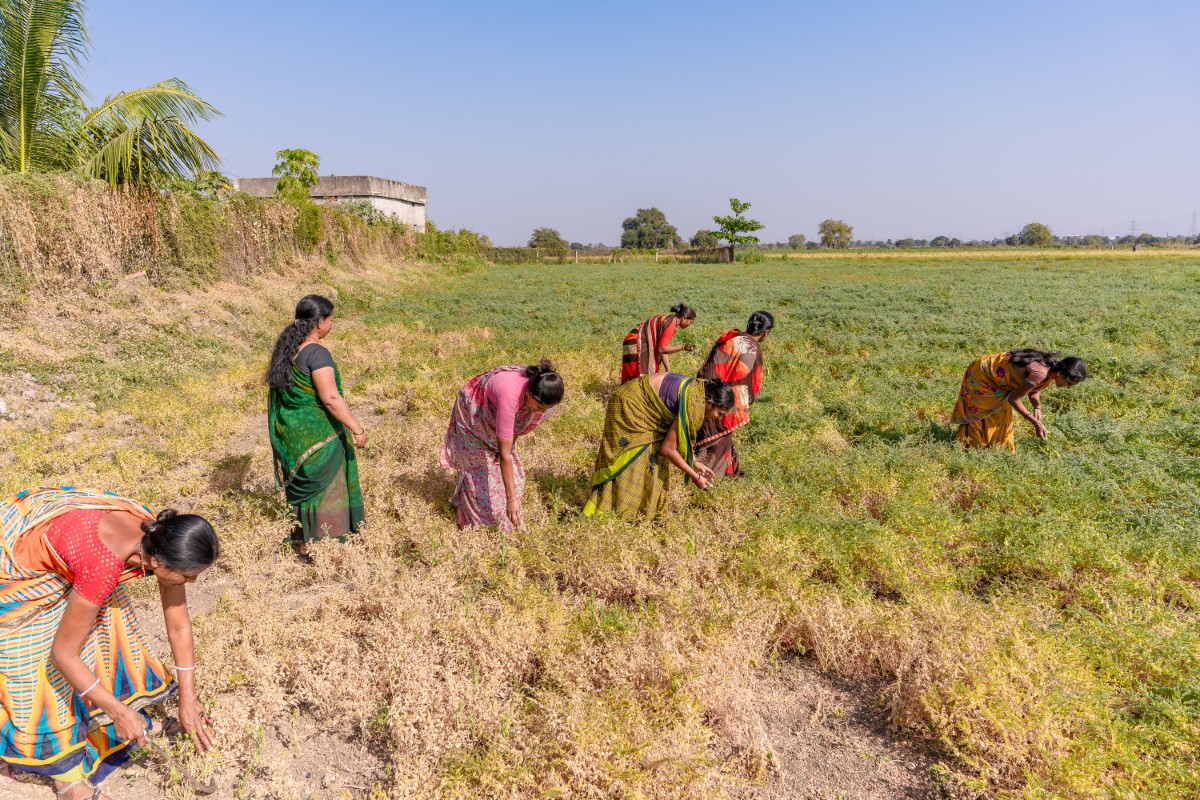
In parts of Europe, millions of people already lack a primary care physician. In rural and underserved communities elsewhere, the gap is far wider. A medical camp does something deceptively radical — it goes to the people instead of waiting for them to arrive. For someone who has never had a check-up, who cannot afford travel to a distant hospital, or who simply does not know where to begin, a camp is often the first real door into healthcare. Access is not a small thing. For many, it is everything.
2. Catching What Gets Missed
Some conditions go unnamed for years. People are told they are tired, stressed, or simply suffering from wear and tear, while the real cause goes undetected. Delays like these are not rare exceptions — they are a documented feature of healthcare systems everywhere. Medical camps offer something valuable here: a fresh pair of eyes, free of the assumptions that build up over repeated visits. Basic screenings for blood pressure, blood sugar, vision, anaemia and early cancer signs can surface problems while they are still treatable. Early detection changes outcomes.
3. Offering a Genuine Second Opinion
As doctors grow more experienced, research shows they tend to consult colleagues less and seek fewer second opinions — and confidence is a poor guide to accuracy. One study of intensive care patients found that doctors who felt completely certain of a diagnosis were wrong as often as 40 per cent of the time. A medical camp quietly provides what many patients never get: another assessment, from someone with no prior assumptions. For people carrying a diagnosis that never quite fit, this can be the moment things finally make sense.
4. Showing That Care Doesn’t Require a White Coat
Much of what we associate with medicine — the waiting room, the consultation ritual, the authority of the white coat — is habit rather than necessity. What patients actually want is an accurate diagnosis, effective treatment and humane care. Medical camps strip the process back to exactly that. Nurses, health workers, pharmacists, counsellors and volunteers deliver real, meaningful care outside the traditional clinic. Evidence consistently shows patients cared for by nurse practitioners report equal or greater satisfaction. A camp proves that good care is about outcomes, not ceremony.
5. Easing the Pressure on an Exhausted System
Doctors are the second casualties of a strained healthcare system. Around half of physicians in the United States report burnout, and in the United Kingdom, 40 per cent say they struggle to provide adequate care at least once a week. Exhaustion and overwork are directly linked to mistakes in diagnosis, treatment and prescribing. Medical camps relieve some of this pressure by handling routine screening and prevention in the community, reducing avoidable hospital visits and freeing clinical capacity for those who need it most. Less strain means fewer errors.
6. Building Trust and Health Literacy
Perhaps the most lasting work a camp does is not medical at all. It teaches people what their numbers mean, what warning signs matter, and what questions to ask. It encourages people to look at their own health records and speak up when something seems wrong — something that matters more than most realise, given that one in five patients who access their records find errors in them. A camp turns passive patients into informed participants in their own care, and that confidence stays with them long after the tent comes down.
A medical camp is not a replacement for a functioning health system — it is a reminder of what that system is meant to do. It reaches people before illness becomes crisis, questions diagnoses that were never quite right, and proves that dignified care does not depend on marble floors or hospital corridors. Human beings are limited creatures; we forget, misjudge and overlook, and errors will never disappear entirely. But every additional point of contact, every extra screening, every second opinion narrows the gap where harm hides. A medical camp is, at its heart, a simple promise — that no one should go unseen.